
© 2025 Green Healthcare Hub
Meet the team behind the Green Healthcare Hub

Professor Mood Bhutta is the Director of the Green Healthcare Hub.
Alongside this role he is the Research lead and key advisor to the UK Department of Health Design for Life strategy (which looks to minimise single use medical products).
He has led funded commissions to develop policy on a variety of topics relating to reuse of medical products: by NHS Scotland, UK Department of Health, and the Greener NHS (part of NHS England).
He is also the chair of the Green Surgery Report funded by the Health Foundation and commissioned by the UK Health Alliance on Climate Change.
In addition to these responsibilities, he is the key influence on the Dept of Health recognising labour abuse in medical supply chains, and developing policy to tackle it, and part of a consortium working with NGOs to successfully negotiate over $150m in refunds of illegal recruitment fees paid by immigrant workers in Malaysian medical gloves factories.
Mood was awarded the 2024 President’s Medal of the Royal College of Physicians and Surgeons of Glasgow in recognition of his work.
Please select the icon below for more information.

Dr Simon Bishop
Is a Associate Professor in Organisational Behaviour and founding member of the Centre for Health Innovation Leadership and Learning (CHILL). His research is primarily focused on organisational change in health and social care, alongside other public service organisations. He has conducted several studies on new types of healthcare organisations and services, such as Independent Sector Treatment Centres, integrated care providers, new forms of community health delivery and knowledge translations organisations. An important theme of his research is the relationships between public policy reform, organisational level change - for example partnerships, supply and commissioning arrangements - and how this affects management, work and employment. His work has been published in Human Relations, Social Science and Medicine and Sociology of Health and Illness amongst other journals.
Please select the icon below for more information.

Michael Okorie is a Professor of Clinical Pharmacology & Therapeutics and Head, Department of Medical Education at BSMS.
Please select the icons below for more information.

Dr James Price is an Associate Professor at Brighton and Sussex Medical School and an Honorary Infection Consultant at University Hospitals Sussex. After graduating in 2005, he completed a PhD on genomic approaches to S. aureus and held NIHR academic posts before becoming Director of Infection Prevention and Control at Imperial College Healthcare.
His work focuses on data‑driven and sustainable infection‑prevention strategies, and he has published widely with over 5,800 citations and multiple major awards. James is Secretary of the Healthcare Infection Society, chairs its EDI committee, and contributes to national and international infection‑control advisory groups, including EUCIC and the UK’s COVID‑19 SAGE subgroup.
His work focuses on data‑driven and sustainable infection‑prevention strategies, and he has published widely with over 5,800 citations and multiple major awards. James is Secretary of the Healthcare Infection Society, chairs its EDI committee, and contributes to national and international infection‑control advisory groups, including EUCIC and the UK’s COVID‑19 SAGE subgroup.
Please select the icons below for more information.
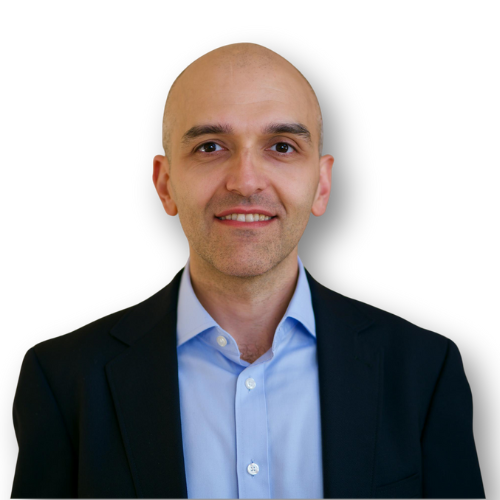
Prof Ali Z Bigdeli Professor of Industrial Service Innovation
Ali is Professor of Industrial Service Innovation at Aston Business School and a Director of the Advanced Services Group. A recognised authority in service-led business model innovation, he helps manufacturers move from selling products to delivering customer outcomes that fuel growth, resilience and sustainability.
Ali has worked with more than 100 multinational corporations and SME ease across regional, national and international markets. He has delivered over 50 workshops designed to accelerate the adoption of advanced services and servitization, inspiring leadership teams with the tools and confidence to act.
He is co-author of servitization strategy and co-chairs the annual Spring Servitization Conference, the leading academic event on this topic. What drives Ali is a deep belief that service-led innovation can transform the future of manufacturing and he is passionate about helping leaders turn that potential into reality.

Pete Culmer is Professor of Healthcare Engineering at the University of Leeds, leading the Healthcare Mechatronics Group. He brings research expertise in the development of medical devices with a focus on sustainability and global healthcare. He leads research into sustainable materials for Circular Medical Devices (EPSRC ReMed, UKRI/NIHR Green Healthcare Hub) and co-leads the Sustainability theme of the NIHR HealthTech Research Centre in Accelerated Surgical Care. He sits on the UK IMechE Biomedical Engineering Division (BMeD) committee and Innovations in Global Surgery organisation, working as an advocate for sustainable, global healthcare engineering.
Please select the icons below for more information.
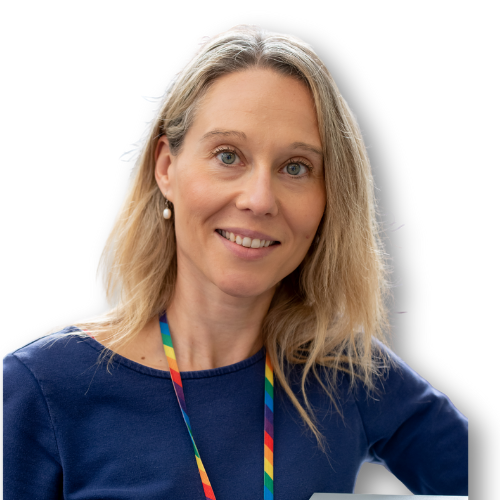
Dimitra Petrakaki is a Professor of Technology and Organisation (Management) at the
University of Sussex Business School. She leads theme 4 on the MRC Green Healthcare Hub research grant.
University of Sussex Business School. She leads theme 4 on the MRC Green Healthcare Hub research grant.
Please select the icon below for more information.

Dr. Frances Mortimer is Medical Director of The Centre for Sustainable Healthcare (CSH), where she has led their pioneering work in clinical specialties and care pathways - combining research with practical action to improve patient care at a lower environmental and social cost. She has a particular interest in engaging health professionals in clinical transformation and sustainable leadership, Frances first identified CSH’s four principles of Sustainable Clinical Practice and developed the SusQI framework for incorporating sustainability into quality improvement in healthcare.
Please select the icon below for more information.

Dr Alexander Trautrims is Professor of Supply Chain Management at Nottingham University Business School and Associate Director at the University of Nottingham's Rights Lab's, leading its large Business and Economies Programme.
Select the icon below for more information.

Jane Harvey is a Nottingham‑based pharmacist and applied health researcher who splits her role between work on decarbonisation in the NHS and qualitative research in dermatology. Driven by a strong personal interest in sustainability, her work focuses on how environmental considerations can be thoughtfully integrated into everyday healthcare practice without undermining patient experience or quality of care. Alongside her role supporting NHS decarbonisation initiatives, she conducts qualitative research in dermatological care, exploring how people live with long‑term skin conditions, navigate care pathways, and manage the ongoing demands of treatment and self‑care. Jane specialises in qualitative interviews and works closely with clinicians and services to generate practice‑relevant insights that support more sustainable and patient‑centred approaches to care.
Please select the icon below for more information.
Please select the icon below for more information.
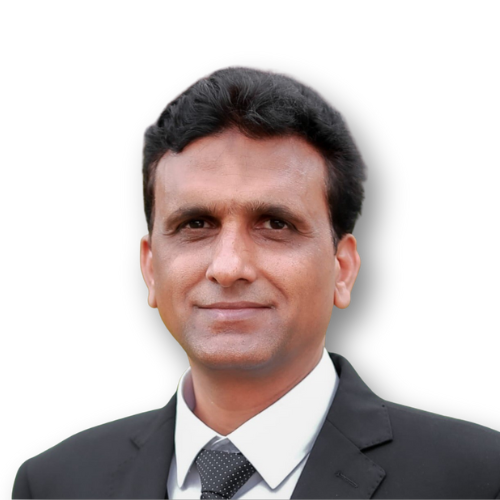
Basharat Hussain completed his MA in Research Methods and a PhD from University of Nottingham. His PhD research focused on implementation of equality and diversity policy in the NHS service provision. He has worked in the UK and abroad (France, Belgium, Netherlands) on Public Health England, NIHR and EU funded projects. His research interests are in the fields of implementation science, health inequalities, health and social innovations, health technologies and inclusivity, policy analysis, vaccine uptake and hesitancy, systematic reviews and realist evaluations. He has published in high ranked journals including Lancet. Dr Hussain is Associate Fellow of the UK HEA.
Please select the icon below for more information.
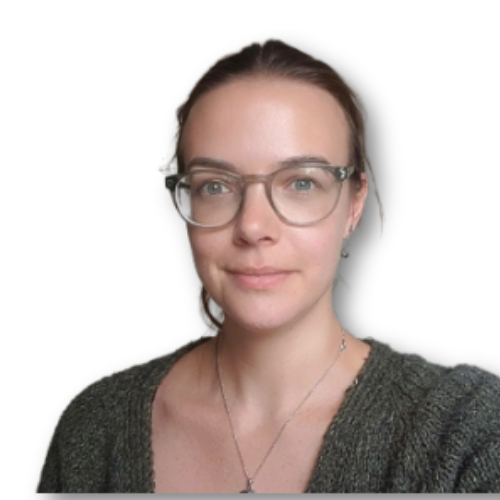
Please select the links below for more information.

Associate Professor at University of Nottingham, School of Pharmacy
Dr Naoko Arakawa obtained her Bachelor in Pharmacy from the Meiji Pharmaceutical University, Japan, and became a registered pharmacist in Japan in 2002. Dr Arakawa worked as a pharmacist for a general hospital for 7 years and a community pharmacy for 1 year and 3 months. She moved to the UK for her postgraduate study in 2010 and obtained Master of Science in Clinical Pharmacy, International Practice and Policy with distinction from the School of Pharmacy, University of London in 2011. She completed her PhD at the University College London School of Pharmacy in 2016, and her thesis was entitled 'Global Pharmacy: A Comparative Exploration and Analysis of Initial Professional Education'. Dr Arakawa undertook a role of the International Lead at the Royal Pharmaceutical Society for UK-Japan collaborative programme between 2016-2018. She took a position of Assistant Professor in International Pharmacy at the School of Pharmacy, University of Nottingham in April 2018, and currently Associate Professor at the School of Pharmacy, University of Nottingham. Dr Arakawa is also Interim Education Secretary of the International Pharmaceutical Federation (FIP), and a global lead for Competency Development of the FIP Hub.
Please select the icon below for more information.
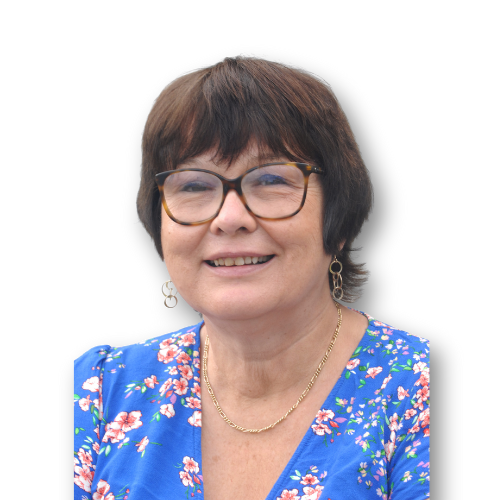
Professor of Social Pharmacy, Faculty of Science at Nottingham University.
Please select the icons below for more information.

Dr Amy Booth, Research Fellow in Sustainable Medicines
Dr Amy Booth is a medical doctor and researcher working at the intersection of health, environmental crises and sustainability. She completed her DPhil at the University of Oxford as a Rhodes Scholar, studying pharmaceutical climate action, after graduating summa cum laude in Medicine from the University of Cape Town and working clinically in South Africa—experiences that led her into sustainable health research.
Her work has been published in leading journals, and she is co‑authoring a book on sustainable health care. Amy has presented internationally, including invited talks at the UK House of Commons and major medical organisations, and has appeared on the BBC. She co‑leads Oxford’s MSc module on Sustainable Health Care and will focus her BSMS research on reducing the environmental footprint of medicines.
She has advised the WHO, the UN, and projects across sub‑Saharan Africa, and is a member of the UK Young Academy, an Academy of Medical Sciences Emerging Research Leader, and an ERASMUS+ PlanEd Prescribing Associate Partner.
Please select the icon below for more information.

Dr Seulki Song is a Postdoctoral Researcher at Seoul National University and an Academic Visitor at the University of Nottingham, conducting qualitative and mixed-methods research on medicines management, medication safety, and medicines governance. A clinical pharmacist by training, with a PhD in Clinical Pharmacy and over a decade of practice in publicly funded healthcare serving ageing populations, Seulki Song studies how medicines are used, mismanaged, and wasted at the frontline of care.
Research on informal medication practices — including the sharing and accumulation of leftover medicines — speaks directly to questions of avoidable medicines waste and the environmental footprint of pharmaceutical systems. Seulki Song also brings a comparative, cross-country perspective, having reported on pharmacy practice across 15 countries, contributed to pharmaceutical systems strengthening in DR Congo through KOICA, and supported intergovernmental policy processes at UNESCO.
Recent Publications
• Song S, Lee EE. Medication Sharing Among Older Adults in South Korea: A Qualitative Study. Patient Prefer Adherence. 2026;20:567649. Published 2026 Mar 12. doi:10.2147/PPA.S567649
• Song S, Kim JY, Lee Y, Jeong H, Kim S, Lee EE. Effects of defoliant exposure and medication use on the development of Parkinson's disease in veterans. Age Ageing. 2023;52(10):afad192. doi:10.1093/ageing/afad192
• Song S, Kim S, Shin S, Lee Y, Lee E. Evaluation of Prescription Medication Sharing Among Adults in South Korea: A Cross-Sectional Survey. Front Pharmacol. 2022;13:773454. Published 2022 Feb 4. doi:10.3389/fphar.2022.773454
Please select the icon below for more information.
Research on informal medication practices — including the sharing and accumulation of leftover medicines — speaks directly to questions of avoidable medicines waste and the environmental footprint of pharmaceutical systems. Seulki Song also brings a comparative, cross-country perspective, having reported on pharmacy practice across 15 countries, contributed to pharmaceutical systems strengthening in DR Congo through KOICA, and supported intergovernmental policy processes at UNESCO.
Recent Publications
• Song S, Lee EE. Medication Sharing Among Older Adults in South Korea: A Qualitative Study. Patient Prefer Adherence. 2026;20:567649. Published 2026 Mar 12. doi:10.2147/PPA.S567649
• Song S, Kim JY, Lee Y, Jeong H, Kim S, Lee EE. Effects of defoliant exposure and medication use on the development of Parkinson's disease in veterans. Age Ageing. 2023;52(10):afad192. doi:10.1093/ageing/afad192
• Song S, Kim S, Shin S, Lee Y, Lee E. Evaluation of Prescription Medication Sharing Among Adults in South Korea: A Cross-Sectional Survey. Front Pharmacol. 2022;13:773454. Published 2022 Feb 4. doi:10.3389/fphar.2022.773454
Please select the icon below for more information.
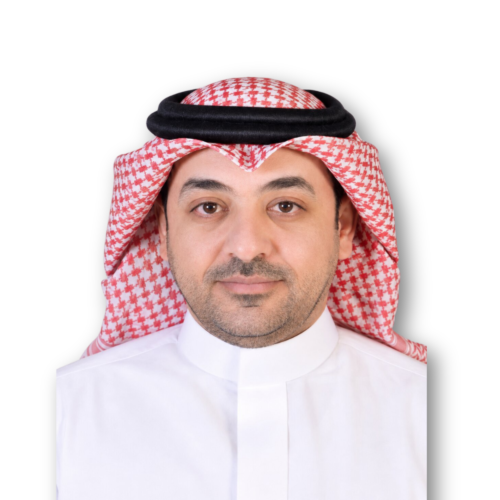
Nasser Alenezi is a PhD researcher at the School of Pharmacy at the University of Nottingham and a member of the Green Healthcare Hub, specifically in Theme 2 – Sustainable Medicine Management. He holds a Bachelor of Pharmacy (Honours) from the University of Newcastle in Australia and a Master of Operations Management from Western Sydney University in Australia. With over 14 years of professional experience in the public healthcare sector in Saudi Arabia, Nasser specialises in healthcare supply chain management, operations, and pharmaceutical procurement. His research focuses on sustainable pharmacological practices and the use of medicines within healthcare systems, with particular emphasis on Saudi Arabia. His interests include sustainable medicines management, pharmaceutical governance, medicine shortages, healthcare sustainability, and strengthening resilient healthcare systems through evidence-informed policy and practice.

Dr Phil Norville is a microbiologist and Infection Prevention and Control (IPC) specialist with over 15 years’ experience across NHS, academic, and industry settings. He holds a Master’s degree in IPC and a PhD in Microbiology. Phil has held senior IPC leadership roles in both the NHS and healthcare industry, including IPC Lead at a large UK NHS University Teaching Hospital and Clinical and Scientific Director within a global IPC organisation.
Phil is a Research Fellow at Brighton and Sussex Medical School and a member of the Green Healthcare Hub and his research focuses on the IPC and microbiological considerations required to enable the safe reuse of medical products, supporting more sustainable healthcare delivery while maintaining patient safety.

Please select the icons below for more information.

Professor Jennie Wilson
Richard Wells Research Centre
College of Nursing Midwifery & Health
University of West London
Richard Wells Research Centre
College of Nursing Midwifery & Health
University of West London
Please select the icon below for more information.

Chris is an independent health economist affiliated with Brighton and Sussex Medical School and the University of Nottingham. He holds an advisory role in the Green Healthcare Hub as part of Petar Tabakov's supervisory team.
Please select the icon below for more information.

Professor and Executive Director The Advanced Services Group, Aston University
Tim is the leading international scholar on servitization and advanced services. He spends much of his time working hands-on with both global and local manufacturing companies to understand its application in practice and to help transform businesses. He spent ten years working in manufacturing businesses, beginning his career as an apprentice. His background gives him a personal understanding of the challenges faced by the industry and of the need for practical, relevant guidance on implementing change strategies.
He has published over 300 academic research articles, as well as numerous books and chapters, and he is the author of the critically acclaimed book Made to Serve.
Tim’s latest book Servitization Strategy: Delivering customer-centric outcomes through business model innovation consolidates research and industrial insights from the past decade. It has been titled ‘the definitive guide to Servitization and Advanced Services’ and is based on in-depth research with leading industrial firms, such as Tetra Pak, Rolls-Royce, Xerox and Goodyear Tire & Rubber Company.
Following an ESRC funded research project and survey of over 700 firms, he and the research team recently published the Design, Make & Serve: The Big Business Case for Servitization.
Please select the icon below for more information.

Dr Yang Zhao Senior Lecturer (Associate Professor) in Digital Transformation and Business Intelligence
Yang is a Senior Lecturer (Associate Professor) in Digital Transformation and Business Intelligence at Aston Business School. Her research examines business model innovation in the digital economy and value creation through digital transformation. To ensure her research generates real-world impact, Yang collaborates extensively with businesses and organisations in the manufacturing and healthcare sectors.
She has secured funding from ESRC, NIHR, Innovate UK, and industry partners, enabling her to address pressing challenges at the intersection of theory and practice. Her projects have explored themes such as decarbonising healthcare through the servitization, developing digital and shared-care business models in healthcare, and strengthening the business case for digital adoption in manufacturing. These engagements have enabled her to actively support, shape, and drive servitization and digital transformation in practice.

Dr Raveen Menon Postdoctoral Research Fellow
Raveen is a Postdoctoral Research Fellow with the Advanced Services Group at Aston Business School. His research sits at the intersection of operations management, behavioural operations and sustainable service innovation, combining empirical studies behaviour behavioural experiments and case-based research.
He collaborates closely with businesses, policy makers and academic partners to generate evidence that informs both industrial practise and public policy. His work has been published in leading journals, including production and operations management and the journal of cleaner production.
Raveen is dedicated to translating research into action. Through workshops roundtables and conferences, he helps industry leaders and policymakers understand how service-led growth can support a most more sustainable and competitive economy.

Dr Zahrina Mardina
Postdoctoral research fellow-Sustainable healthcare materials
Healthcare Mechatronics Group
University of Leeds
Please select the icon below for more information.

Dr Pranavsingh (Prans) Dhunnoo is a medical doctor who focuses on the future of healthcare and medicine. After completing his medical studies at Semmelweis University, Hungary, he worked clinically in Mauritius before embarking on the MSc in Digital Health programme at the University of St Andrews, Scotland, as the State of Mauritius Postgraduate Scholar. Subsequently, he completed an interdisciplinary PhD project on the integration of artificial intelligence in remote chronic care at the Atlantic Technological University, Ireland. Prans is currently a Research Fellow in Digitalisation and Green Healthcare at the University of Sussex.
In parallel to his academic career, Prans has extensive experience consulting for the digital health industry. His outputs, ranging from books to forecasts, have been translated into guidance for healthcare companies and institutions such as the FDA. He regularly contributes to think pieces in international press.
Please follow the link below for more information.
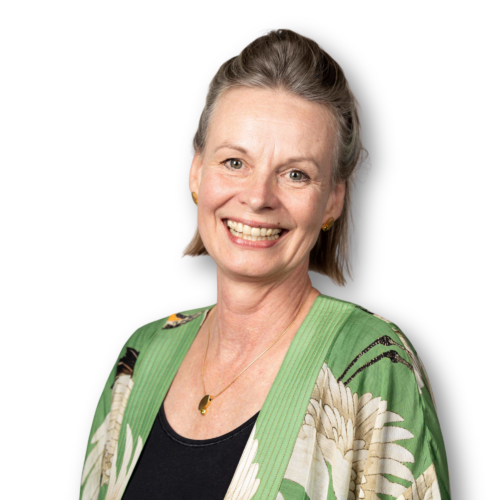
Ingeborg Steinbach has been part of the Centre for Sustainable Healthcare (CSH) since 2008, supporting healthcare organisations and professionals to embed sustainability into everyday practice. As Director of Analytics, she leads the metrics work at the Centre. The team supports healthcare organisations, healthcare professionals and researchers to estimate the carbon footprint and social and financial impact of healthcare organisations, clinical pathways, quality improvement projects and healthcare products as well as developing tools to support this analysis.

Grace is an economist with a strong interest in value assessment, pricing and reimbursement, and public health economics. She is team leader for OHE’s Policy, Organisation and Incentives in Health Systems Research theme.
Grace’s work is dedicated to advancing value assessment and healthcare decision-making. Her current research interests include high-value innovative technologies like cell and gene therapies, AMR-targeting drugs and devices, and the economics of environmental sustainability in healthcare and life sciences.
Grace previously worked developing NICE guidelines and has served as an advisor in economics across NICE’s Clinical Guidelines and Public Health Guidelines committees. Grace holds an MSc in Health Economics from the University of York and an MSc in Nutritional Medicine from the University of Surrey.
Please select the icons below for more information.

Patricia is a health economist with academic training in mathematics and quantitative economics. She leads OHE's research theme on Value, Affordability, and Decision-Making and is an Honorary Senior Research Fellow in the Department of Economics at City St George's, University of London.
Patricia's research focuses on public-sector resource allocation (including efficiency, inequalities, and priority setting) and global developments in health technology assessment. She has contributed to research on decision-making for innovative health technologies, oncology, primary care, climate action, and wider public spending, authoring more than 25 peer-reviewed publications in leading health economics journals.
For more information please select the icons below.

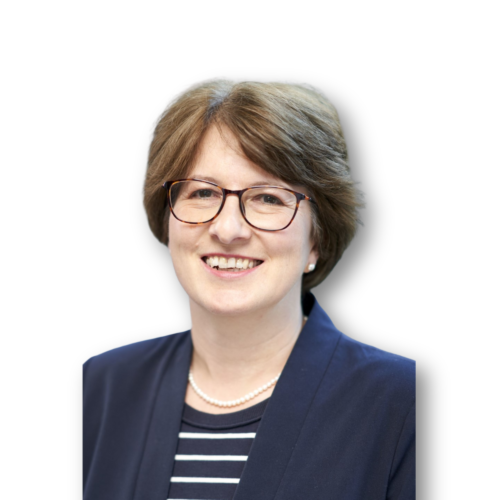
Gill Holmes Senior Research Manager
Gill is project manager and impact coordinator at the advanced services group, where she overseas research projects that connect servitization with wider economic and environmental goals.
An experienced manager, Gill has held roles in manufacturing industries and in research and marketing management across leading UK universities. This combination gives her a practical perspective on how academic research can be translated into business and policy impact.

Rachel is Acting Transformation Director, where she co-leads the Sustainability in Action service team. Her work focuses on developing impactful approaches to sustainable clinical practice alongside strategic development of CSH’s clinical transformation programmes, including Sustainable Specialties and SusQI. Rachel has a clinical background in speech pathology and previously worked as a neonatal speech and language therapist in London hospitals, specialising in parent coaching and early intervention.

Grit provides financial grant management support for various small and multi-million pounds grants within the department. She works closely with PIs, researchers, professional services colleagues and other university teams. Her responsibilities include financial reporting to various funders, budget reviews/forecasting as well as general finance services to the department. As a trained accountant, Grit has extensive knowledge and experience in multiple functions within accountancy gained through previous roles.
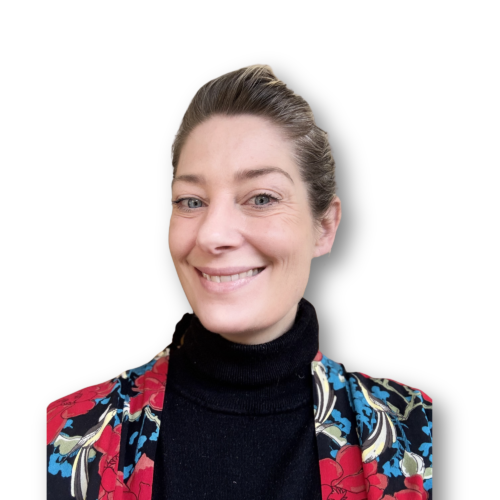
Alice is a Research Project Officer at Brighton and Sussex Medical School (BSMS), where she provides support for research grants working closely with researchers and professional services colleagues to aid the development of projects ensuring they run smoothly across the research lifecycle.
Alongside this, Alice works within the BSMS Communications team, contributing to school-wide communications and engagement. Her work supports the sharing of research, education, and institutional developments with internal and external audiences.
Through these dual roles, Alice contributes to both the operational support and communication of research and academic activity at BSMS, helping to strengthen collaboration, visibility, and impact across the School.
Please select the icon below for more information.
